
Chiari Malformation Second Opinion After Failed Surgery
After multiple unsuccessful surgeries in the UK, one patient sought a remote neurosurgery second opinion in China to better understand why his symptoms persisted.
When a patient has already undergone more than one neurosurgical procedure, the next step is rarely simple. The stakes are higher. The uncertainty is heavier. And when previous treatment has not delivered the expected result, many patients are left asking a difficult question: Why didn’t the surgery work?
That was the situation faced by Mr. L, a patient from the United Kingdom living with Chiari malformation and ongoing symptoms after prior surgery.
To protect privacy, identifying details have been removed. This case reflects one patient’s individual experience. Treatment suitability and outcomes vary depending on diagnosis, disease status, prior treatment history, imaging findings, and physician evaluation.
A Complex Case After Multiple Neurosurgeries
Before contacting PandaMed, Mr. L had already undergone multiple neurosurgical procedures in the UK for Chiari malformation. Despite these operations, his symptoms continued, and the overall treatment course had been considered unsuccessful.
What made the situation especially difficult was not only the persistence of symptoms, but the lack of a clear explanation. He was facing the possibility of further high-risk surgery without feeling confident that the underlying reason for previous failure had been fully understood.
For patients in this position, the value of a Chiari malformation second opinion is often not just about finding another treatment. It is about clarifying whether the current understanding of the case is complete.
| Item | Details |
|---|---|
| Patient | Mr. L (anonymized) |
| Location | United Kingdom |
| Condition | Chiari malformation with persistent symptoms after prior surgery |
| Cross-border step | Remote neurosurgical second opinion arranged in China |
| Main value of review | Clearer explanation of possible post-surgical failure mechanism |
Why He Looked Beyond His Home Country
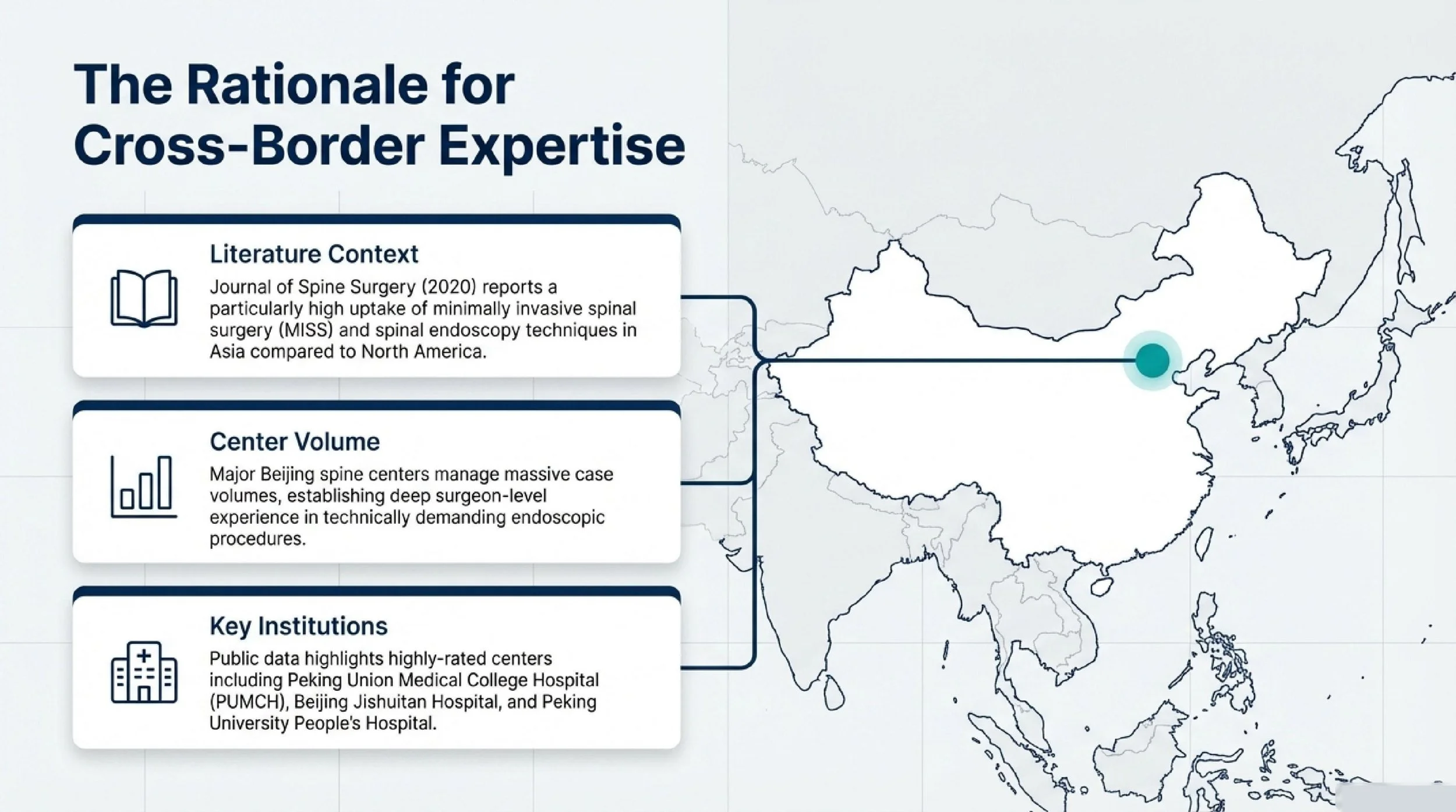
Complex neurosurgical cases sometimes benefit from review by another specialist team, especially when previous treatment has not resolved the problem or when the reason for treatment failure remains unclear.
In Mr. L’s case, PandaMed helped arrange a remote expert review with Dr. Xu at Huashan Hospital in China, a major neurosurgical center in China. The goal was not to replace his local care team, but to provide an additional specialist perspective based on his prior records and imaging.
For international patients, this kind of review can be especially useful when they are trying to understand whether another intervention is reasonable, what may have been missed, and how future decisions should be approached.
PandaMed’s Role in the Case
PandaMed did not provide the medical diagnosis or treatment. The medical opinion came from the reviewing neurosurgical specialist.
PandaMed’s role was to support the cross-border process by helping organize the patient’s records, translate relevant medical information, prepare imaging and history for specialist review, and facilitate communication across systems and languages.
That coordination can be particularly important in neurosurgical cases, where prior operative history, imaging interpretation, and infection history may all influence how a specialist understands the case.
What the Specialist Review Found
According to the case materials, the specialist review suggested that Mr. L’s ongoing problems were not simply due to a generic structural issue alone.
The reviewing neurosurgeon identified a more specific concern: severe fibrotic scarring and adhesions, believed to be related to a prior history of E. coli ventriculitis. In this interpretation, the scar tissue may have played a major role in why previous surgeries did not achieve the intended result.
This was a meaningful shift in understanding. Rather than viewing the case only as repeated surgical failure, the review pointed to a possible underlying mechanism that may not have been fully recognized in earlier assessments.
In complex post-surgical cases, that kind of clarification matters. It may influence whether further surgery is considered, how expectations are framed, and what risks need to be weighed more carefully.
Why Diagnostic Clarity Was the Real Turning Point
Not every successful cross-border case ends with immediate treatment. Sometimes the most important outcome is a more accurate understanding of the problem.
For Mr. L, the specialist opinion helped reframe the situation. Instead of moving forward under continued uncertainty, he had a clearer explanation for why earlier procedures may not have resolved his symptoms.
That clarity appears to have been important for two reasons.
First, it helped him better understand the complexity of his condition.
Second, it may have helped inform future decision-making and reduce the likelihood of pursuing additional procedures without a clearer rationale.
That does not mean no future treatment would ever be appropriate. It means that any next step could be considered with a more complete view of the case.
What This Case May Mean for Other Patients With Chiari Malformation
Patients with recurrent Chiari symptoms, prior decompression surgery, or uncertain post-surgical outcomes often reach a point where they are not just looking for another procedure. They are looking for a more reliable explanation.
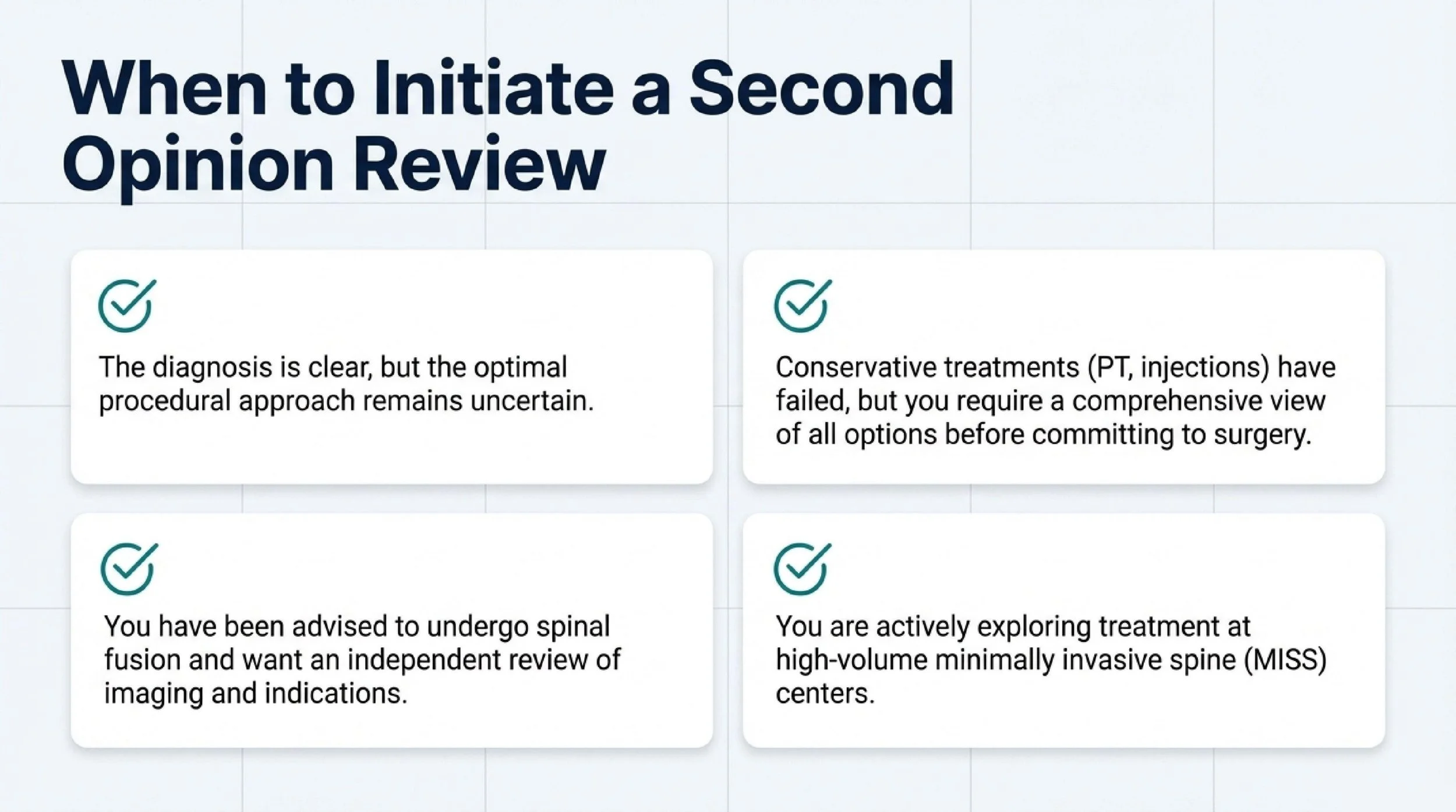
A remote neurosurgery second opinion in China may be worth considering when:
the diagnosis is complex,
symptoms continue after prior surgery,
different doctors have offered different explanations,
or the patient wants another expert review before agreeing to further intervention.
The purpose of that review is not to guarantee a different answer. In some cases, it may confirm the current plan. In others, it may raise additional questions, identify overlooked factors, or provide a clearer framework for decision-making.
A Thoughtful Next Step, Not a Promise
Mr. L’s case reflects one individual patient journey. It should not be interpreted as a guarantee of outcome for other patients with Chiari malformation or recurrent symptoms after surgery.
Still, for patients and families navigating a complex neurosurgical decision, a well-organized second opinion can sometimes offer something extremely valuable: a clearer basis for the next conversation.
If you or a family member are dealing with a complex neurosurgical case and would like to explore whether a second opinion from specialists in China may be appropriate, you can contact PandaMed at contact@pandamedglobal.com. The team can help review whether your records are suitable for specialist evaluation and explain the coordination process in a clear, low-pressure way.
